
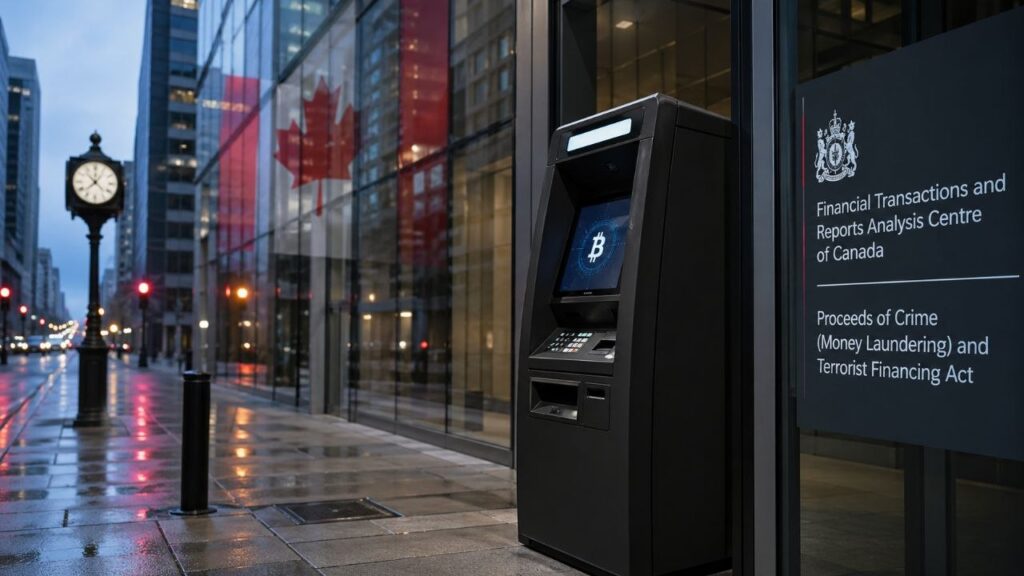
Canada is considering new restrictions on crypto ATMs as fraud cases continue to rise, adding another layer to the global debate over how digital assets should be regulated.
Crypto ATMs were originally promoted as a simple way for users to buy or sell digital assets without relying entirely on online exchanges. For some users, especially beginners, they can appear more accessible than creating an account on a trading platform. But that same accessibility has also made them a concern for regulators and law enforcement agencies.
Authorities argue that crypto ATMs can be used in scams because transactions are fast, difficult to reverse, and often involve victims who are under pressure. In many fraud cases, scammers convince people to send money quickly, sometimes by pretending to be government officials, bank representatives, technical support agents, or investment advisers. Once the funds are converted into crypto and moved, recovering the money can be extremely difficult.
Why it matters:
The proposal shows that governments are increasing pressure on crypto infrastructure. Regulation is no longer focused only on major exchanges, stablecoins, token issuers, or investment products. Physical access points, such as crypto ATMs, are also becoming part of the regulatory conversation.
This is important because crypto ATMs sit at the intersection of digital finance and real-world consumer protection. They make crypto more accessible, but they can also expose less experienced users to risks they may not fully understand. For regulators, the question is not only whether crypto should be allowed to grow, but how to reduce fraud without completely blocking access to the technology.
Market context:
If Canada moves forward with tighter restrictions, it could influence how other countries approach similar machines. Governments in North America and Europe are already paying closer attention to crypto-related fraud, money laundering risks, and consumer protection. A stricter approach in Canada could encourage other regulators to review whether crypto ATMs should face tougher licensing, transaction limits, identity checks, or even local bans.
For the crypto industry, this is a reminder that adoption is not only about price, ETFs, or institutional interest. Trust and compliance are becoming central parts of the market. Companies that operate in the crypto space may face growing pressure to prove that their services are not being used to facilitate scams.
For investors, the story also matters because regulation can shape market sentiment. Rules that reduce fraud may improve long-term trust in digital assets, but aggressive restrictions can also create uncertainty for companies operating in the sector.
The bigger picture is clear: crypto is no longer operating outside the traditional financial system. As digital assets become more mainstream, governments are moving from broad warnings to more specific rules targeting the infrastructure around them.
Source:
CoinDesk